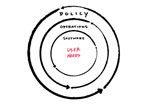
Implementing effective content planning processes, that incorporate understanding of real users’ needs, to create usable content strategy and cohesive customer narratives.
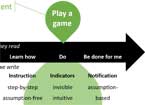
Corporate writers explain six reasons why people read documentation, and how the writer’s style of writing changes based the user’s need and motivation.
When practitioners can produce data to show how content and design changes affect efficiency and customer sentiment, the work is more accepted and utilized.
When you design a website for a fundraising event, there are many roles to consider, each with different needs. Untangling the relationships and roles is the critical first step.
Designing mobile apps for emerging markets with more than 60 languages and 215 million people requires a balance of designing, technology, user experience, and simplicity.