
Integrating usability and accessibility, which share a common goal, will enhance both practices and result in better user experiences. 将可用性和可访问性专业人员划分为两个阵营的做法让这两种职业都深受其害,而且完全没有必要。
可用性专业人员在解决可用性问题时常会忽略一般人群之外的用户类别。ユーザビリティおよびアクセシビリティの専門家は不必要にもそれぞれを分けて考え過ぎ、両方のエリアで不利益を生じさせてきた。ユーザビリティの専門家は、ユーザビリティに関する問題に取り組む際、しばしば通常の母集団の外にあるユーザカテゴリーは無視する傾向にある。
Usability professionals should make a point of recruiting people with disabilities, including cognitive disabilities, for focus groups and for user test panels.
This article explores the possibility that similar guidelines for designing and writing clearly and simply can make reading easier for many groups and many situations.
It’s necessary to consider the benefit that barrier-free virtual environments provide for people with disabilities in terms of pain management, distraction, and socialization.
The Prime III Voting System is pursuing the ultimate goal of electronic voting systems; a single design that allows everyone to vote privately and independently.
Guerrilla usability testing software assists testing with people with disabilities leading to more usable and accessible software for all users—disabled, non-disabled, and seniors.
WAI provides an international forum for collaboration among industry, disability organizations, accessibility researchers, government, and individuals interested in web accessibility.
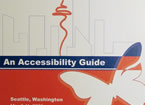
The Conference Accessibility Guide of the Society for Technical Communication is a source of information for conference attendees with accessibility issues.
Usability professionals should lead the implementation of the dispositions of the Convention on the Rights of Persons with Disabilities relative to accessibility and universal design.
Blio, designed to make e-books accessible to the visually impaired, allows users to read, or have read to them, e-books on regular computers or handheld devices.