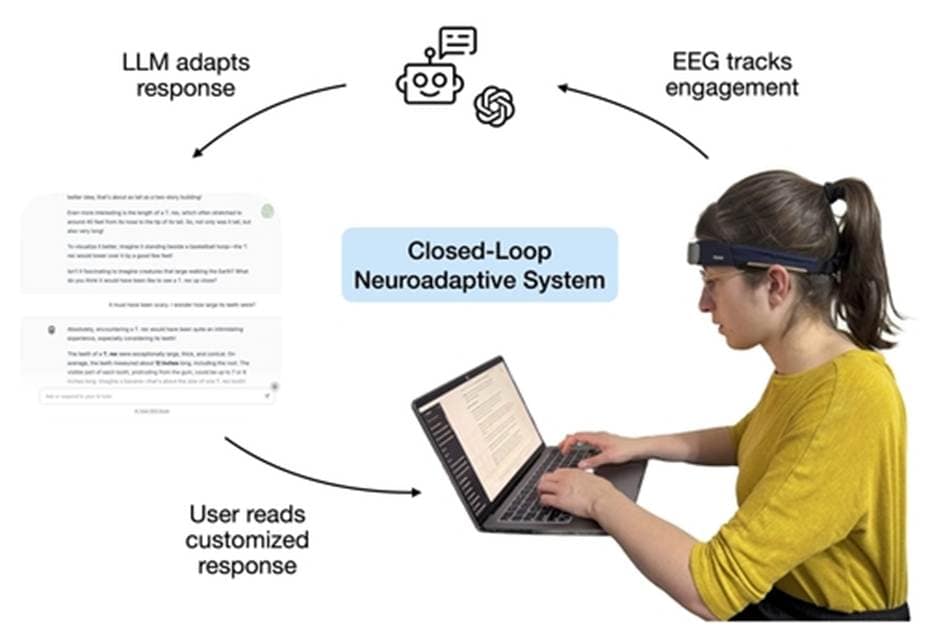
Neuroadaptive UX can fundamentally reshape the landscape of digital experiences, moving towards interfaces that are highly functional and intelligently matched to particular individuals.
A UX case study applies design principles to the hiring journey in the technology industry to bring clarity, feedback, and respect—the values of UX—into the process to scale trust in candidates. The author discusses using design research methods, qualitative interviews, recruiter workflow analysis, and journey mapping, which are the same methods used to understand user…
Driven by the pulse of anime culture—real scenes and unspoken needs—the design of user experience connects fantasy with everyday life.
An identity security product design informs a new framework for how admins perceive and act on risk. Working in this high-risk domain offered hard-won insights.
The new frontier is AI design, which demands a profound shift. The design challenge is no longer, “Is it usable?” but rather, “Is it responsible?”
This article explores how designers can harness AI as a collaborator and catalyst, freeing time for strategy, problem-solving, and user-centered impact.
Discover how AI-powered interfaces can nudge users toward greener digital habits—without sacrificing UX—in this research-driven exploration of sustainable interaction design.
The human brain has natural variations in functionality, and individual cognitive function differences impact user experience. Yet designing with certain practices improves a user interface for diverse profiles. Accessible layouts, customization options, consistent communication, and inclusion through the development process make better digital products for everyone.
This article reviews promising technologies leveraging AI to improve everyday experiences through chatbots, accessibility features, and predictive analytics. AI tools even assist in UX design with accessibility adjustment and optimization. The integration of AI into UX offers exciting possibilities, yet it raises significant ethical concerns about data privacy, algorithm bias, and transparency. UX designers must…
Laws of UX is a resource for new designers and researchers to better understand the psychological principles of design. The first 10 chapters each focus on an individual design principle, provide examples, and suggest research methods. The last 2 chapters discuss ethics and suggestions for implementation.