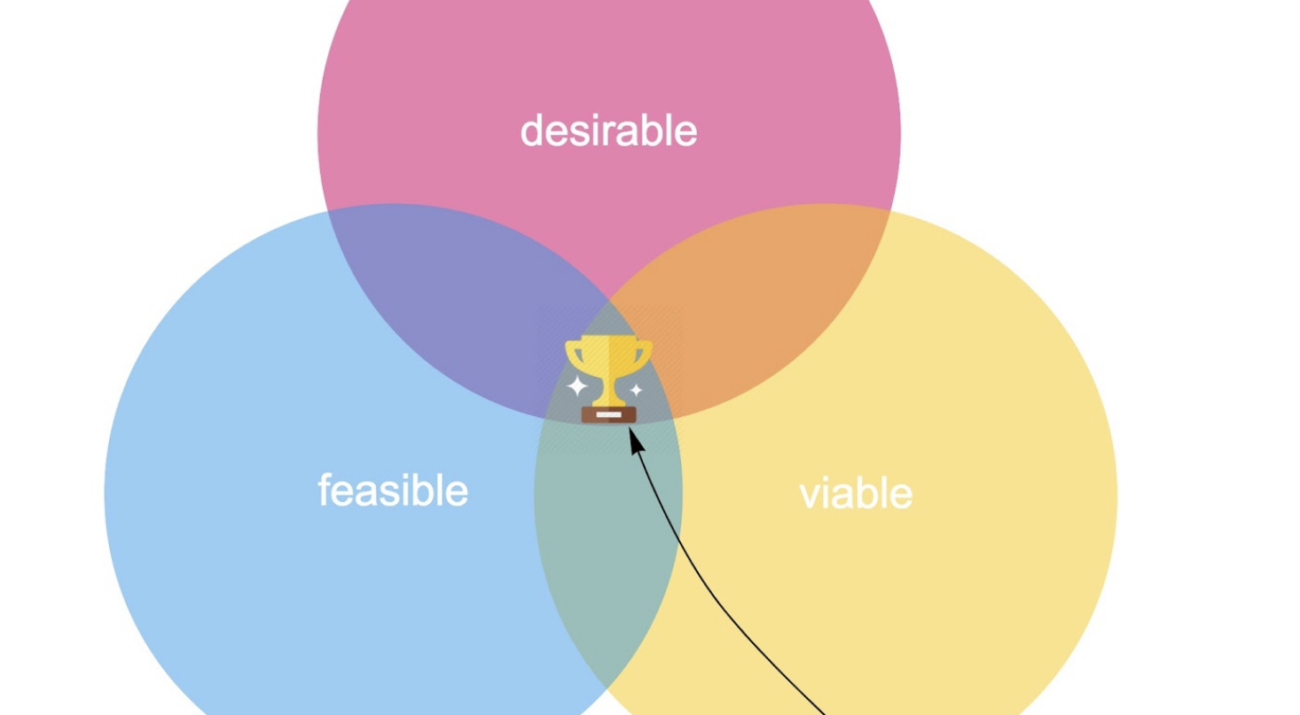
When designing healthcare experiences, we need to prove the effectiveness of our solutions as much as we need to consider their desirability, feasibility, and viability.
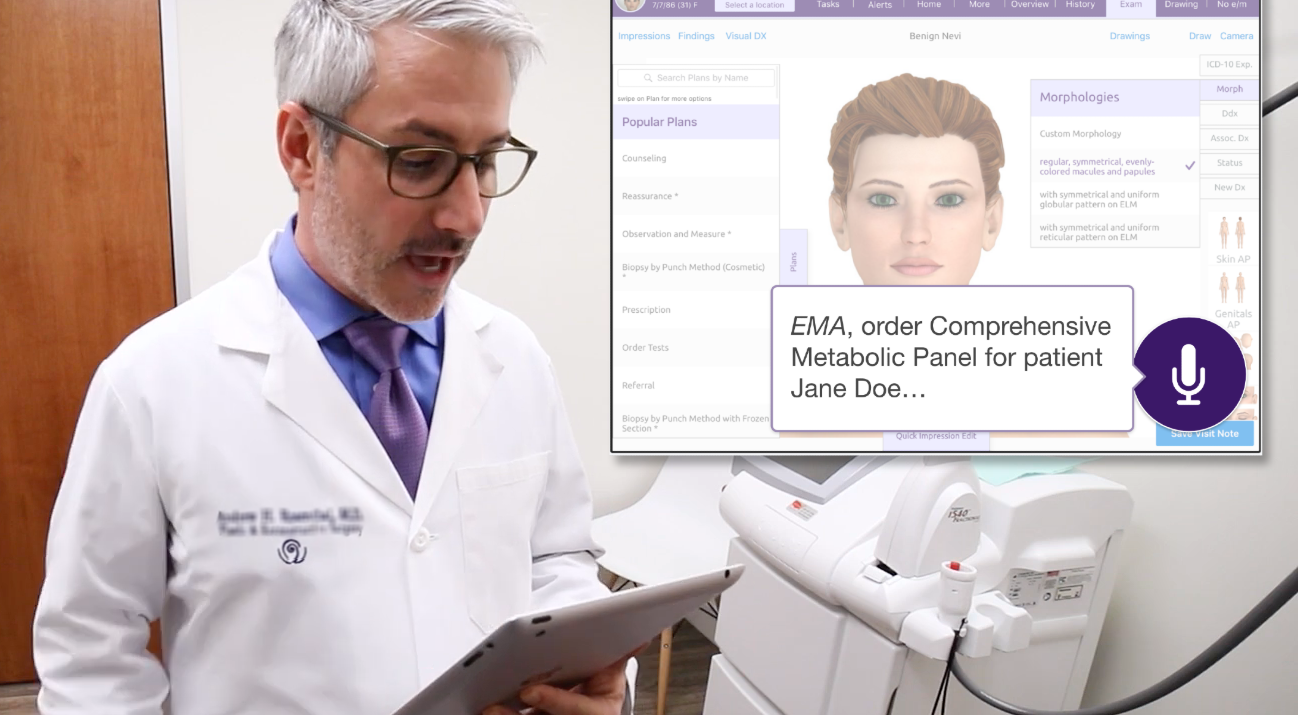
Cumbersome medical software is a leading cause in physician dissatisfaction and burnout. But that story could change if physicians had a voice-driven virtual medical assistant.
Over the past five years, Novo Nordisk has systematically iterated and improved on their UX research processes, increasing the design influence on product development.
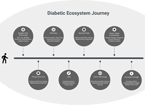
Ecosystems are larger than features and organizations. The user journey expands the entire ecosystem of experience, with multiple touch points along the way.
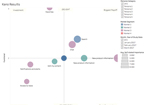
The Kano model enables representation of customer satisfaction with product features. In this article, two enterprise designers share an Excel and a Tableau template that can be used in usability or survey research.
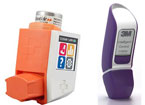
Usage data that is collected and analyzed from smart medical devices has the potential to change how these devices are designed, resulting in safer and more effective devices.
A review of Contextual Inquiry for Medical Device Design by Mary Beth Privitera. Learn best practices and techniques for applying contextual inquiry to medical device design.
Doctors, administrators, and IT staff in a hospital often have different views of technology. User experience professionals need to be aware of these differences when designing medical systems.