For UX and product design professionals, the idea that we must stay within a single vertical—healthcare, financial technology, or e-commerce—is a self-imposed limitation.
A UX case study applies design principles to the hiring journey in the technology industry to bring clarity, feedback, and respect—the values of UX—into the process to scale trust in candidates. The author discusses using design research methods, qualitative interviews, recruiter workflow analysis, and journey mapping, which are the same methods used to understand user…
Driven by the pulse of anime culture—real scenes and unspoken needs—the design of user experience connects fantasy with everyday life.
An identity security product design informs a new framework for how admins perceive and act on risk. Working in this high-risk domain offered hard-won insights.
This article explores how designers can harness AI as a collaborator and catalyst, freeing time for strategy, problem-solving, and user-centered impact.
Rethinking design systems as evolving products, rather than fixed component libraries, can transform the way designers work.
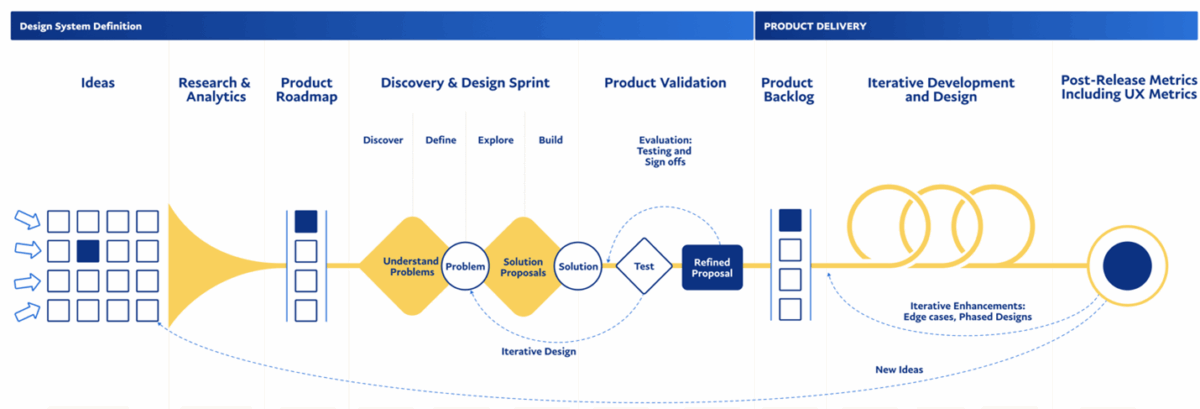
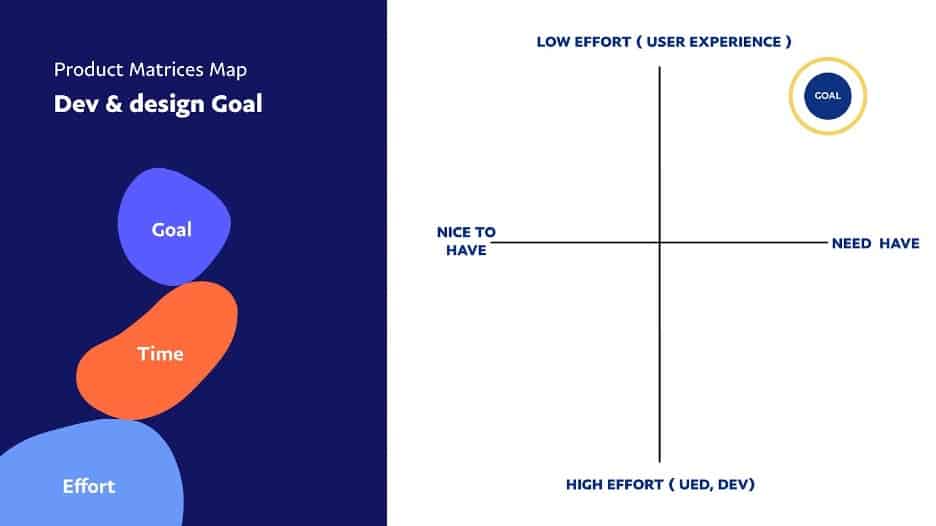
Product outcomes and revenue are paramount for tech companies. Though often sharing roadmaps, their related plans can lack comprehensive evaluation and prioritization from the UX and customer perspective. A customized Product Matrices Map (PPM) can orchestrate seamless communication among designers, product managers, engineers, and all stakeholders to drive efficient goal alignment. Prioritization of features’ development…
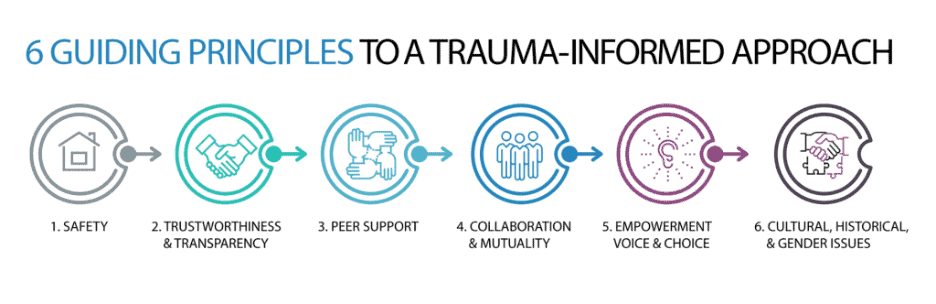
Trauma is a global epidemic. Almost everyone has lived experience of trauma, and re-traumatization—reliving the traumatic event—can happen at any moment from related or unrelated stimuli; in the digital age, that notably includes technology. User experience researchers and designers are uniquely positioned to ensure tech is helpful and avoids (further) harming anyone. This article first…
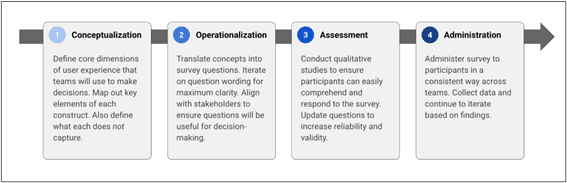
UX researchers often write bespoke surveys to evaluate each new product or feature set with users, resulting in duplicate work, slower launch cycles, and limited opportunities to compare user sentiment across different features. We developed a process at Google™ by creating feature-agnostic survey templates to evaluate all new features in a product space. Product teams…