
A Practical Guide to Trauma-Sensitive Research
A review of
Routledge
174 pages, 9 chapters
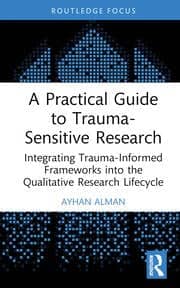
About this book
by Ayhan Alman
A good reference for Methods/How-To and UX Theory
Primary audience: Researchers and designers who are new to the topic, have some, or significant experience with the topic
Writing style: Academic and Matter-of-fact
Text density: Mostly text
Learn more about our book review guidelines
How do we make sure UX research participants feel safe and comfortable? What measures and guidelines can be added to the UX research process to guard against researcher bias and protect participant confidentiality and privacy? How do we develop rapport, show empathy, and gain trust in the research process and the researcher? What does trauma-sensitive mean?
A Practical Guide to Trauma-Sensitive Research, by Ayhan Alman, addresses these and related questions by first defining what trauma is, how traumatic life-changing experiences affect people both emotionally and physically, and how trauma differs from general stress. According to the book, “Common stress, a part of daily life, arises from typical challenges such as meeting work deadlines or navigating a stressful commute. People are generally able to manage these stressful events without panic. When confronted with a traumatic event, the stress can overwhelm our usual coping strategies… manifesting as anxiety, anger and panic.”
This distinction and background give the reader an awareness and knowledge of what trauma-sensitive or vulnerable people experience and also a context for understanding what the trauma-sensitive approach entails. This approach is especially important for UX researchers because it introduces ethical and safety considerations for both participants and researchers.
The book provides a comprehensive case study of how to write a trauma-sensitive research brief, and it also describes trauma-sensitivity training for UX professionals. This is extremely valuable as it enables research to be conducted ethically and safely in clinical or high-stress settings.
The traditional UX research process includes planning and defining the research purpose and goal, recruiting participants, collecting data, analyzing the data, and reporting the results. A trauma-sensitive research brief includes these same phases but adds an intentional timeline that accounts for the needs of vulnerable participants while enhancing ethical oversight.
Typically, UX research focuses on gathering user feedback and implementing results as quickly as possible to meet product development deadlines. However, trauma-sensitive research emphasizes pacing and reflection. The additional step of establishing a structured schedule often means these studies take more time. A trauma-sensitive research brief integrates additional steps, such as ethical considerations of risk assessment and management, and formal ethical review and approval. Risk assessment involves anticipating potential distress for participants, whereas review by an ethics committee or board ensures that the study minimizes possible harm.
As a UX researcher, I am familiar with how to develop rapport and gain trust with participants by ensuring they sign informed consent forms, helping them understand that they can withdraw from the study at any time, and giving instructions that do not lead them toward desired results. I also take care to anonymize participants when reporting findings. For example, I often report results in aggregate rather than identifying individual responses. Another example is informing participants in a usability test that observers are present in another room and that they can meet these observers afterward if they wish. The transparency and consent process are key components of building trust and maintaining participant comfort.
After reading this book, researchers will come to understand that creating a safe and comfortable environment extends far beyond traditional ethical practices. It requires a deep awareness of confidentiality, privacy, and emotional safety, especially when working with vulnerable populations. Vulnerable populations may include individuals who have experienced age, gender, race, religious, or disability discrimination.
Readers will also learn that ethical and safety considerations must include cultural sensitivity, inclusivity, thorough risk assessment, and an ongoing ethical review of the research plan or brief.
The book further explores the rationale for implementing a trauma-sensitive approach. This approach is particularly relevant when participants come from vulnerable groups or when research topics involve sensitive issues such as discrimination based on age, gender, or disability. It also applies when research involves ethical and legal implications that could impact participant well-being.
Alongside these reasons, the author discusses several costs and benefits of trauma-sensitive research. The costs may include extended data-collection periods, additional staffing, supervision and debriefing costs, and increased participant compensation. However, the benefits are significant: reduced participant stress and anxiety, increased trust and engagement, greater inclusivity and accessibility, and the empowerment of participants throughout the process.
Ultimately, A Practical Guide to Trauma-Sensitive Research provides a comprehensive examination of how integrating trauma-sensitive principles into UX research results in products and services that are safer, more inclusive, culturally accessible, and culturally sensitive.
I would be thrilled to read another book by this author, particularly one that offers case studies applying the trauma-sensitive approach to different forms of trauma. For example, these could include acute traumas such as natural disasters, home invasions, or car accidents, as well as chronic traumas such as post-traumatic stress disorder (PTSD) and long-term illness. Overall, I highly recommend this book as a valuable addition to any UX professional’s library.
“Ever [wonder] how our bodies react to stress and trauma in different situations? By understanding how trauma manifests in various ways, you will learn the key signs to watch for. Steven Porges’ Polyvagal Theory sheds light on how our nervous system manages stress through three distinct states. The ‘5F’ model, encompassing Fight, Flight, Freeze, Fawn, and Friend, details the varied instinctual reactions to perceived threats. Gaining insight into these theories will help you to accurately identify and acknowledge trauma responses, enhancing your ability to create supportive and responsive designs.”

Karen Shor has worked as a Usability Specialist and Human Factors Engineer, managing the usability labs, conducting many usability tests, and working with product development teams and stakeholders to implement test findings to improve the user experience and help drive business strategy.
User Experience Magazine › Forums › A Trauma-Sensitive Approach to UX (Book Review)