
Skip to content Skip to sidebar Skip to footer
Agentic Experiences
26.2 Agentic Experiences
An Alexa+ image generated by key prompts to shape an identity for a key character, based on prompts from child 2 (generated with Alexa+).
AI and Machine Learning

AI and Storytelling for Children: A Human Factors Perspective

A human factors professional discusses observations of interactions between AI and reticent learners to author stories. These casual observations provide meaningful insights into how technology affects people in everyday life. The discussion identifies core human factors principles and responsibilities around designing AI as a cognitive platform for creativity.
READ MORE
AI and Machine Learning

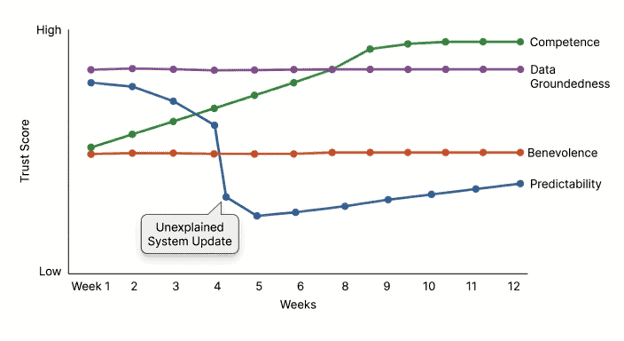
Researching What Changes: UX Methods for AI Systems That Learn Over Time

This article covers three practical approaches for studying agentic AI when the system’s behavior is a moving target. Trust is inherently longitudinal over time. A snapshot study capturing the moment alone describes almost nothing about how the relationship is changing, which misses the evolving relationship arc. The author discusses using modified diary studies, longitudinal trust measurement, and relationship arc research to study trust. The article also includes guidance on getting started with a first longitudinal study.

READ MORE
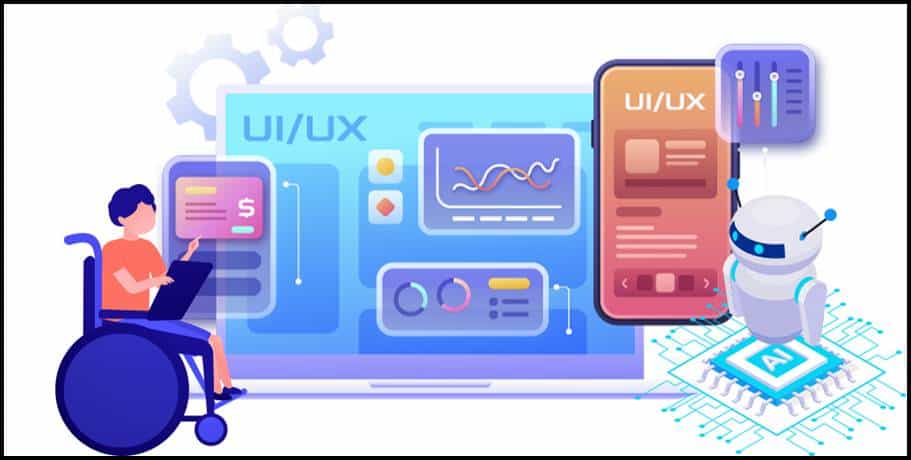
Conceptual illustration of the hybrid intelligence model in which human experts validate AI-driven accessibility outputs.
Accessibility and Universal Design

Accessibility and AI: Leveraging Emerging Technologies in Digital Content to Build Equitable UX

Explore accessibility, adaptive UX, and the hybrid intelligence model to understand how organizations are building scalable, inclusive digital experiences with accuracy for improved usability. In digital content, an AI-human accessibility services approach allows organizations to move beyond reactive remediation to build proactive, scalable accessibility strategies, ensuring that automation supports accuracy rather than compromising it.

READ MORE
Ai in Healthcare
AI and Machine Learning

The Adoption Gap: Why AI-Driven Healthcare Systems Still Fail

Most healthcare workers operate across a fragmented digital landscape: different logins, interfaces, and data sources that don’t talk to each other. Yet legacy systems persist in healthcare because users know how to get the information they need, even when the system makes it harder than it should. Trust has real value when human well-being is at stake. Because AI will keep getting smarter in healthcare systems, the systems supporting it must keep getting more human.

READ MORE
E-mail
Password
Confirm password